
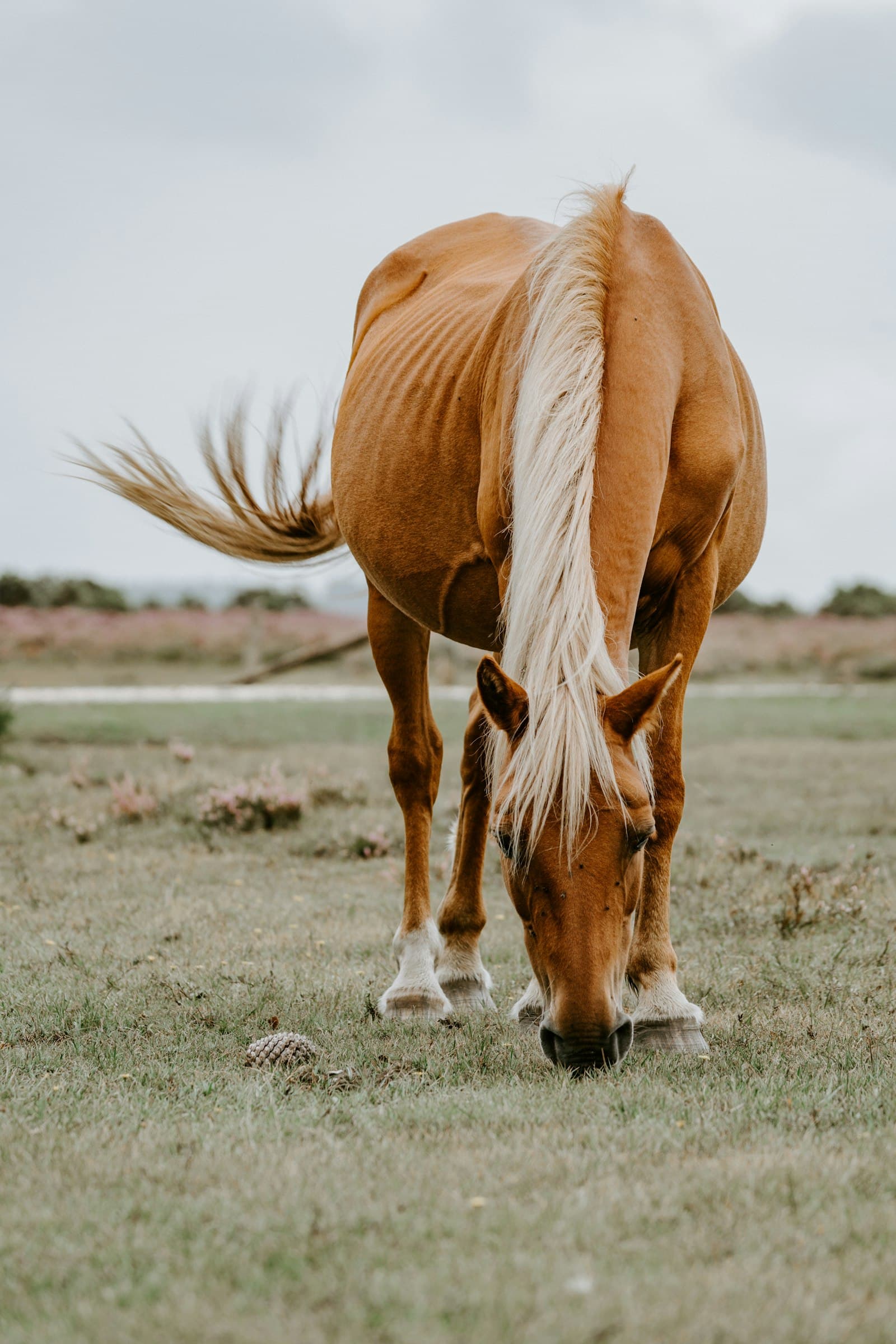
Senior horses stay in work longer when joint comfort, soft-tissue soundness and recovery support stay on the calendar. The published equine collagen-peptide trial plus the BPC-157 and TB-500 research file give owners a clear shopping map. Most barns that want both peptide pathways order the Recovery Stack, then keep the veterinarian in the loop for the full program.
The equine collagen-peptide trial
One of the few joint-comfort trials run in living horses studied specific bioactive collagen peptides sold as PETAGILE. Across two centres, thirty-eight horses with osteoarthritis completed twelve weeks of study, and the collagen-peptide groups showed improved lameness and flexion scores versus placebo (Dobenecker et al., 2018). Senior-horse owners cite that paper when they compare recovery-support options with their veterinarians because the subjects were horses, not only rodents. Peptide shopping for older horses builds on that equine signal, then adds the soft-tissue research that BPC-157 and TB-500 already carry in the catalog.
Collagen peptides vs signalling peptides
Collagen peptides and signalling peptides sit in different categories, and senior-horse shopping goes smoother when that split is clear. Hydrolyzed collagen peptides are oral feed-through protein fragments. The PETAGILE two-centre horse trial is the equine joint-comfort citation most barns print (Dobenecker et al., 2018). Signalling peptides such as BPC-157 and TB-500 are short research peptides studied for how tissue responds after strain. Owners who already run a collagen product often keep it in the feed program and evaluate a peptide stack as a separate recovery block. For the full side-by-side with glucosamine and UC-II, read peptides vs equine joint supplements.
Soft tissue still decides senior soundness
Aging horses still face the same expensive soft-tissue problems younger athletes do. The equine suspensory ligament remains injury-prone and understudied relative to how often barns manage it, which matters for older horses that keep schooling, hacking or light showing (Guest, 2025). Tendon and ligament recovery decide whether a senior stays in light work or faces a long layoff, so soft-tissue research belongs in the same conversation as joint comfort. Soundness plans that already track flexion scores and soft-tissue imaging are the plans that absorb peptide research cleanly.
BPC-157 leads that soft-tissue file. A transected rat Achilles model reported faster structural and functional recovery with BPC-157, including stimulated tendocyte growth in culture (Staresinic et al., 2003). A follow-up study mapped tendon cell outgrowth, survival and migration with the same peptide (Chang et al., 2011). Those papers are why barns already keep BPC-157 on the senior recovery shortlist.
TB-500 and the combination pathway
TB-500 is the synthetic active-region fragment of thymosin beta-4, and horses appear in the published detection literature. Researchers administered TB-500 to horses and mapped the peptide in plasma and urine by mass spectrometry (Ho et al., 2012). A 2026 head-to-head rat Achilles study compared BPC-157, TB-500 and the combination; TB-500 improved load-to-failure versus control, and the combination arm showed no added benefit over monotherapy (Biçer et al., 2026). Owners still order the Recovery Stack for senior recovery support because one vial is simpler than two, also known as the Wolverine stack. Read the deeper equine TB-500 story in TB-500 in Horses: The Equine Recovery Research and the soft-tissue pairing guide in peptides for horse tendon and suspensory recovery.
How senior owners use the research
On Chronicle of the Horse forums and Reddit r/Equestrian, senior-horse threads describe BPC-157 with TB-500 alongside joint programs the veterinarian already manages: controlled work, turnout changes, farriery and existing joint-support products. Owners paraphrase the same goals in plain language: keep the horse comfortable, protect soft tissue during light work, and shorten the bounce-back after a hard week. The pattern is additive. Peptides sit next to the plan, and the lot certificate of analysis goes to the appointment so the veterinarian can see exactly what is in the vial.
Subscribe-and-save options help when comfort and recovery support run across a long season instead of a short layup. Barns that already stock bacteriostatic water and keep COAs in the feed-room binder handle senior peptide orders like any other documented barn supply.
Plan the program with your veterinarian
One clear step improves every senior-horse peptide order: review the citations and the COA with the licensed veterinarian who already knows the horse. That conversation covers soundness findings, medications, work schedule and how recovery support fits the season. Pure Pet Peptide does not replace the exam. It supplies American-made peptides with third-party testing so the paperwork matches the research conversation.
Shop Recovery Stack and subscribe
For senior horses, the Recovery Stack is the product owners pick when they want BPC-157 and TB-500 together from one lot. Shop BPC-157 or TB-500 alone when the plan calls for a single peptide. Subscribe and save keeps a longer comfort-and-recovery program stocked without re-ordering drama. Browse the peptides for horses collection, open the Wolverine stack for horses guide when you want the pairing story in one place, and check verified lots on the Quality page before you buy. Compare collagen and signalling categories in peptides vs equine joint supplements. Print the Dobenecker, Guest, Staresinic, Chang, Ho and Biçer citations with the COA, then start the program with your veterinarian.
Asked often
What research supports senior horse joint comfort?
A two-centre equine trial studied bioactive collagen peptides in thirty-eight horses with osteoarthritis across twelve weeks and reported improved lameness and flexion scores versus placebo (Dobenecker et al., 2018). That horse trial sits beside the BPC-157 and TB-500 soft-tissue research file owners already use for recovery support. Shop the Recovery Stack and review the plan with your veterinarian.
Do senior horse owners use BPC-157 and TB-500?
Yes. Older-horse threads on Chronicle of the Horse and Reddit r/Equestrian describe BPC-157 with TB-500 alongside existing joint programs, turnout changes and veterinary oversight. The Recovery Stack puts both peptides in one vial so a senior program has one lot and one certificate of analysis. Pure Pet Peptide lots are American made and third-party tested.
Should I talk to my vet about peptides for an older horse?
Yes. Bring the PETAGILE collagen-peptide citation, the BPC-157 and TB-500 research links, and the lot certificate of analysis to the appointment. Your veterinarian already manages the horse's soundness plan, medications and work schedule. Peptides fit as recovery support inside that plan, not as a replacement for the exam findings.
Which product fits a senior horse recovery plan?
Most senior-horse owners who want both research pathways order the Recovery Stack. Singles of BPC-157 or TB-500 remain available when the plan calls for one peptide. Subscribe and save helps when comfort and recovery support run across a long season. Start on the peptides for horses hub and confirm the program with your veterinarian.
References
- Dobenecker B, Reese S, Jahn W, Schunck M, Hugenberg J, Louton H, Oesser S. Specific bioactive collagen peptides (PETAGILE) as supplement for horses with osteoarthritis: A two-centred study. J Anim Physiol Anim Nutr (Berl). 2018;102 Suppl 1:16-23. PubMed 29623685 DOI
- Staresinic M, Sebecic B, Patrlj L, Jadrijevic S, Suknaic S, Perovic D, Aralica G, Zarkovic N, Borovic S, et al. Gastric pentadecapeptide BPC 157 accelerates healing of transected rat Achilles tendon and in vitro stimulates tendocytes growth. J Orthop Res. 2003;21(6):976-83. PubMed 14554208 DOI
- Chang CH, Tsai WC, Lin MS, Hsu YH, Pang JH. The promoting effect of pentadecapeptide BPC 157 on tendon healing involves tendon outgrowth, cell survival, and cell migration. J Appl Physiol (1985). 2011;110(3):774-80. PubMed 21030672 DOI
- Biçer O et al. Effects of BPC-157 and TB-500 on Achilles tendon healing in rats: a histopathological and biomechanical study. Jt Dis Relat Surg. 2026;37(3):822-837. PubMed 42542926 DOI
- Guest DJ. A review of the equine suspensory ligament: Injury prone yet understudied. Equine Vet J. 2025;57(5):1167-1182. PubMed 39604165 DOI
- Ho EN, Kwok WH, Lau MY, Wong AS, Wan TS, Lam KK, Schiff PJ, Stewart BD. Doping control analysis of TB-500, a synthetic version of an active region of thymosin β₄, in equine urine and plasma by liquid chromatography-mass spectrometry. J Chromatogr A. 2012;1265:57-69. PubMed 23084823 DOI
From the shop
The Recovery Stack
Senior-horse joint and recovery programs often pair BPC-157 with TB-500. Shop the Recovery Stack — American made, third-party tested, >99% purity on verified lots.
Related in the journal
- BPC-157 for Horse Lameness & Soft Tissue: Research MapWhat horse owners comparing BPC-157 for soft tissue and lameness recovery should know: species-labeled studies, the Recovery Stack, and lot-matched COAs.
- Peptides for Horse Tendon & Suspensory Recovery: The ResearchWhat BPC-157 and TB-500 tendon and ligament research shows, what owners and vets report in horses, and the Recovery Stack with a COA.
- BPC-157 for Horse Ulcers & Gut Support: The ResearchBPC-157 for horse ulcers and gut support: gastric-origin research, species-labeled studies, and American-made vials with a COA on every lot.